
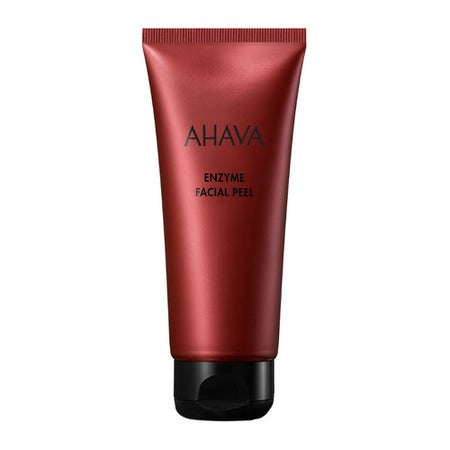
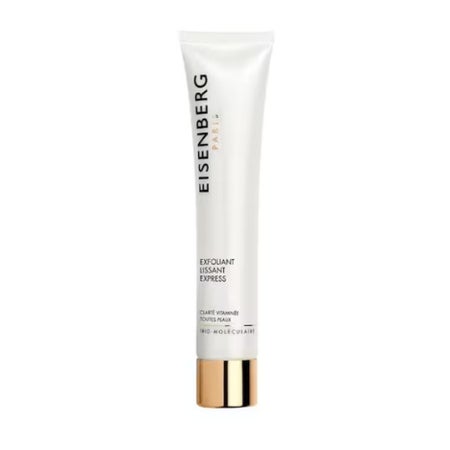
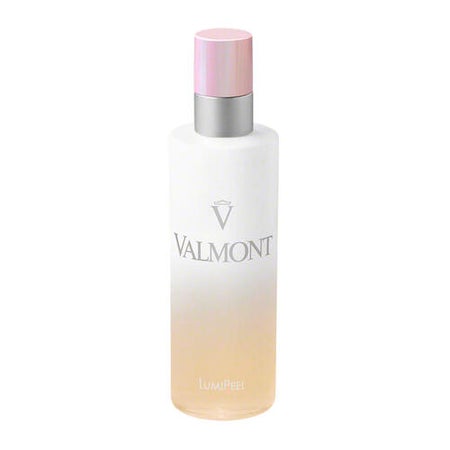
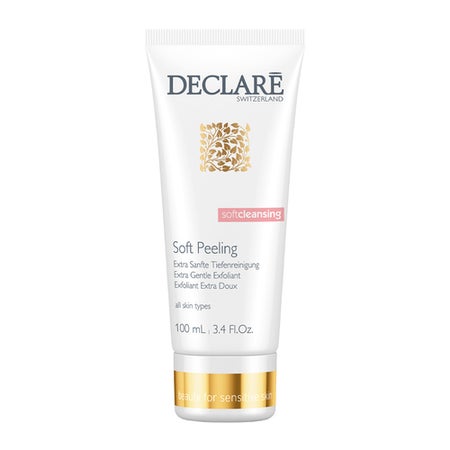
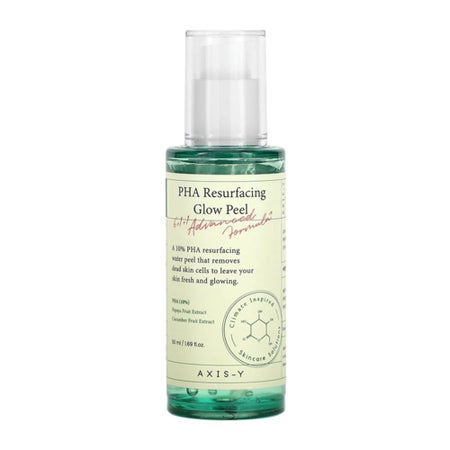
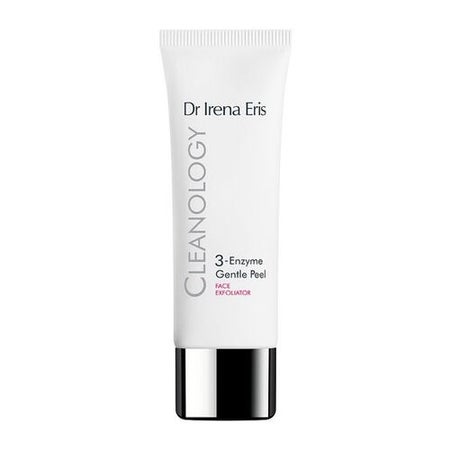
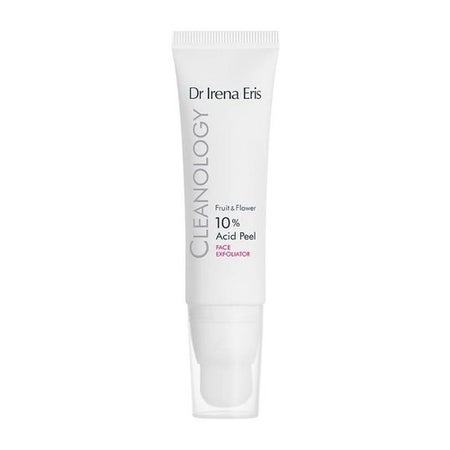
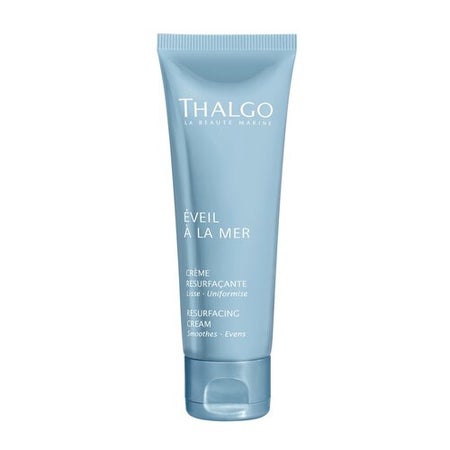
Peeling
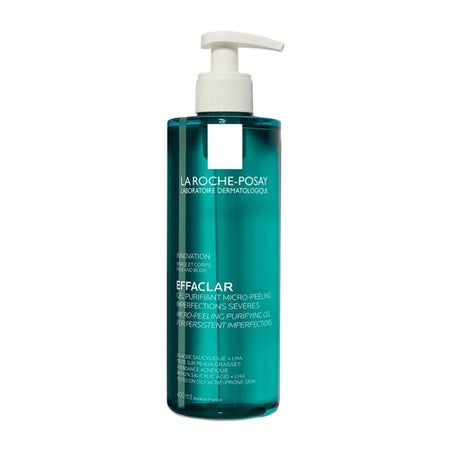
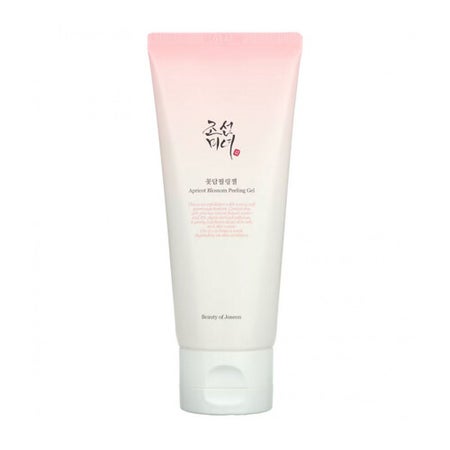
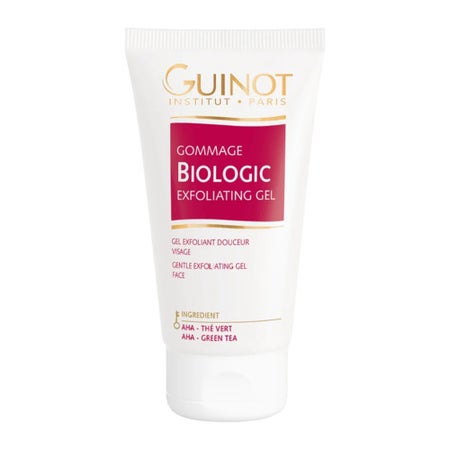
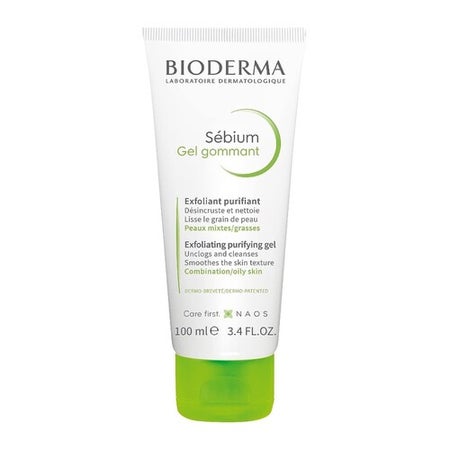
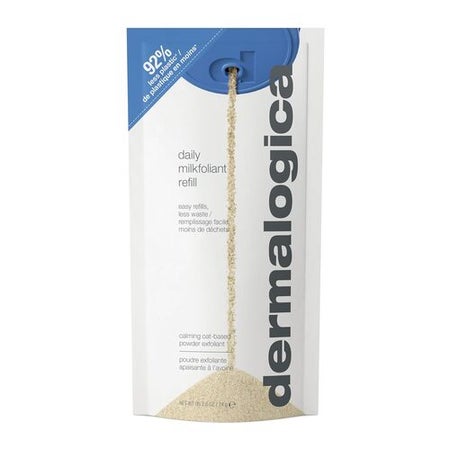
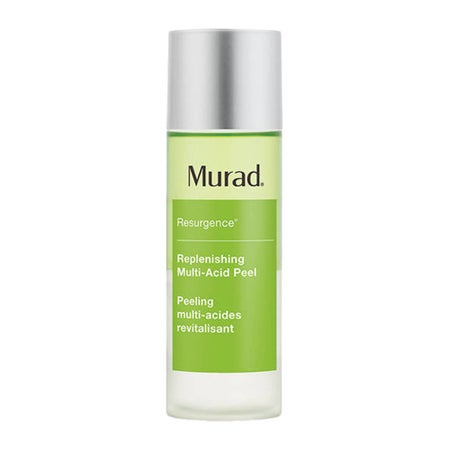
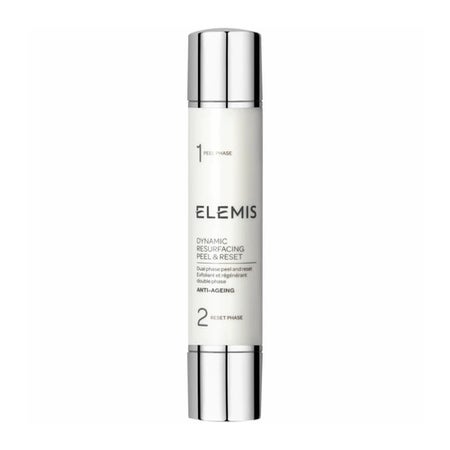
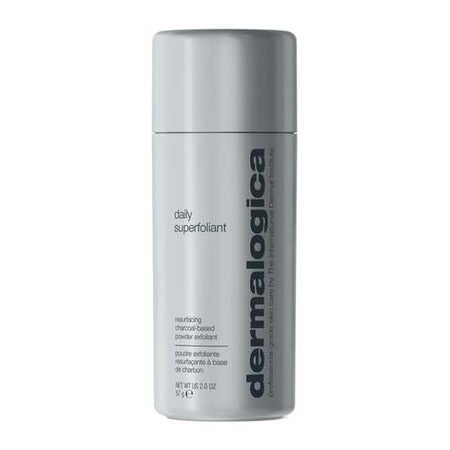
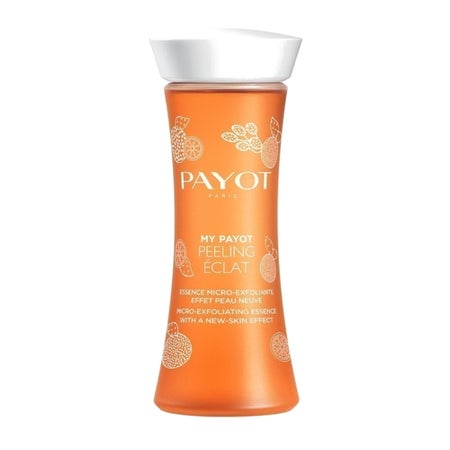
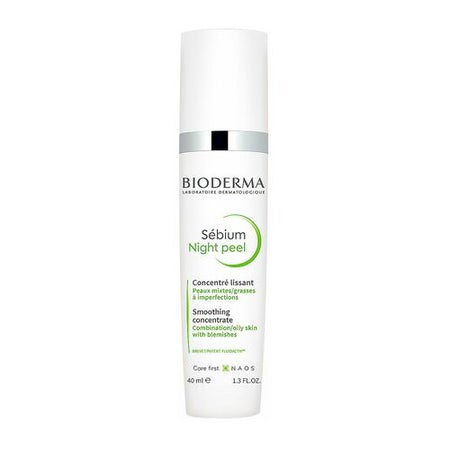
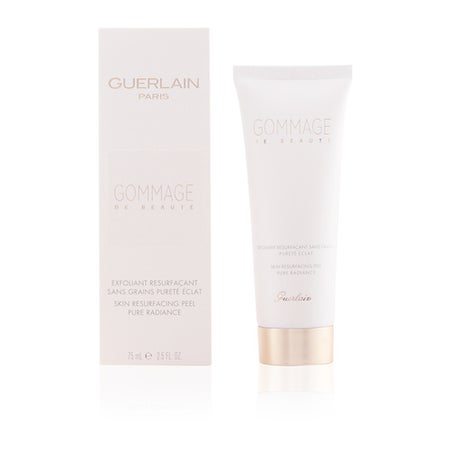
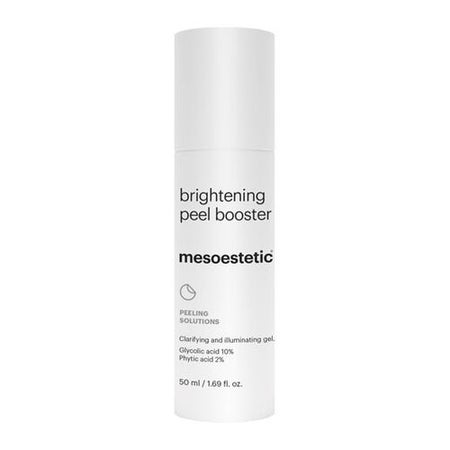
What is a peeling? A peeling is an exfoliating treatment that helps remove dead skin cells and supports the skin’s natural renewal process. Depending on the formula, a peeling may contain ingredients such as AHAs, BHAs and PHAs. As a result, the skin may appear smoother, fresher and more even.
AHAs, such as glycolic acid and lactic acid, are often used to refine skin texture and give dull-looking skin a fresher appearance. BHAs, including salicylic acid, are popular in routines for oily skin, blemishes and visible pores. PHAs are known as a gentler form of chemical exfoliation and are often chosen by people with sensitive skin.
Peelings are used in a variety of skincare routines. Exfoliating acids can help promote a smoother skin texture, a more even-looking complexion and a refined skin surface. Peelings are also commonly used in routines targeting blemishes, superficial acne scars, pigmentation spots and fine lines. Results may vary depending on skin type, skin condition and product.
Important considerations when using a peeling
Before using a new peeling product, it is advisable to perform a patch test first. By testing a small amount of product on a limited area of skin, you can check how your skin reacts before applying it to the entire face.
Most brands recommend avoiding the use of a peeling on the same day as other exfoliating acids, scrubs or retinol-based products. This helps prevent unnecessary stress on the skin and allows active ingredients to work effectively within your routine.
Sun protection also plays an important role when using peelings. Because exfoliating ingredients may make the skin more sensitive to UV radiation, daily sun protection is an important addition to any peeling routine, regardless of the season.
New to peelings? Build up usage gradually and always follow the product instructions. This gives your skin time to adjust to exfoliating ingredients and helps you get the most out of your skincare routine.